

About us
Our commmunity
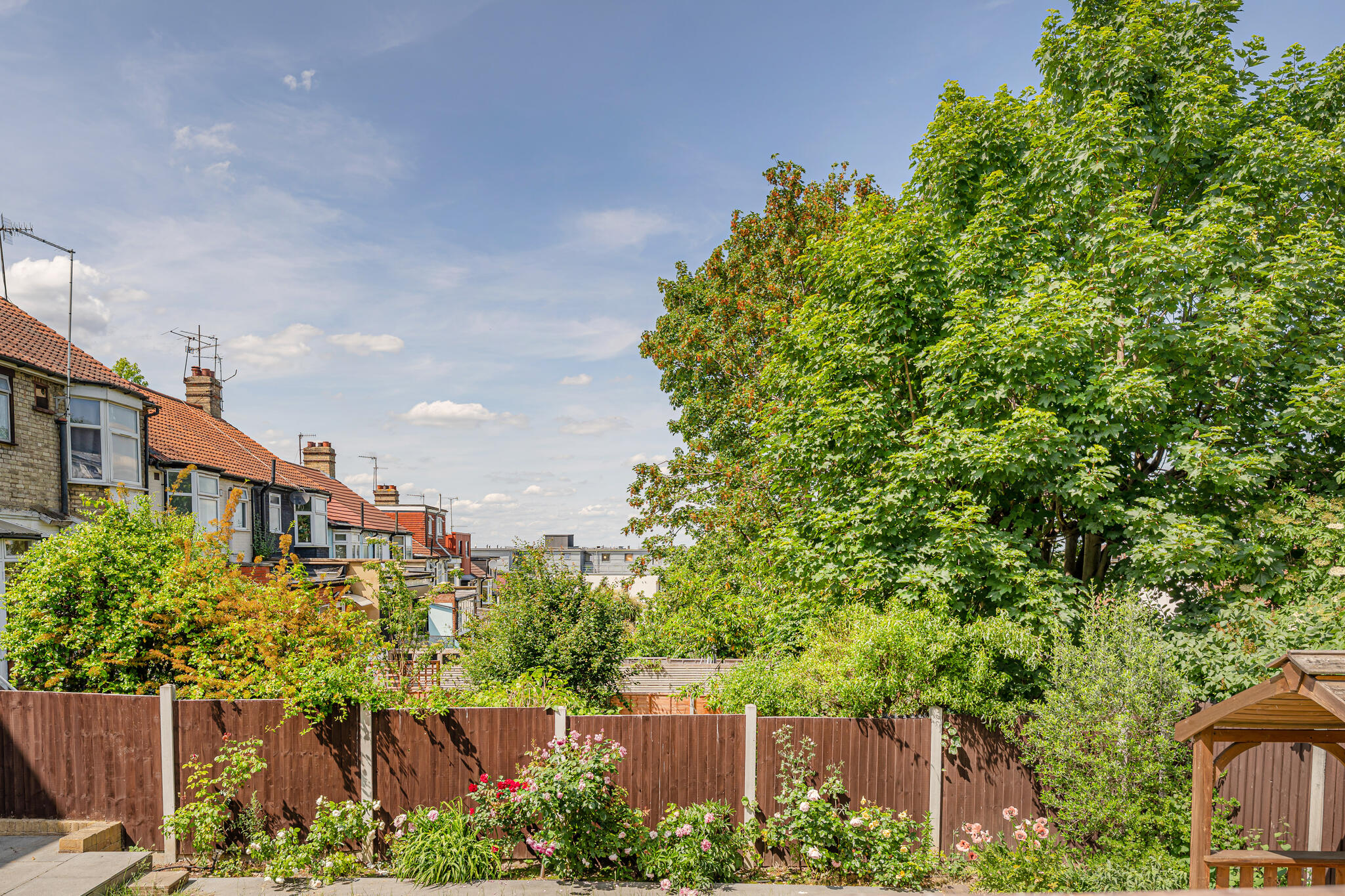
Walthamstow sits at that point in East London where things begin to feel more open, more horizontal, more quietly spacious. It is still very much part of the city, but the pace changes, the streets breathe differently, and the density softens just enough for daily life to feel unforced. There is a sense here of distance without disconnection, of being close to everything while feeling slightly set apart from it.
What defines Walthamstow is not a single centre, but a collection of distinct pockets, each with its own rhythm, stitched together by high road, green space, and a long standing sense of local identity that has not been easily diluted.
Start, as always, with coffee.
Around St James Street, Perky Blenders has become a familiar anchor. It is the kind of place that understands the tempo of early travel and working mornings, serving a steady flow of commuters and locals without ever feeling transactional. Coffee is consistent, interiors are understated, and there is a sense that people are passing through on their way to somewhere else, while still briefly belonging to the space.
A short walk away, things begin to shift in tone. Eat 17 in Walthamstow Village brings a more settled, neighbourhood feel. Part deli, part café, part local fixture, it reflects the village at its core, slightly refined but still grounded in everyday use. It is where mornings stretch out a little, where breakfast feels less like fuel and more like a pause in itself.
From here, Walthamstow Village opens out gently along Orford Road, one of the most recognisable streets in the area. Independent shops sit alongside small restaurants, wine bars, and long established locals that have shaped the character of the village over time. It feels self contained without being closed, a place that has evolved slowly rather than being reshaped abruptly.
Beyond the village, the cultural identity of Walthamstow becomes more expressive.
God’s Own Junkyard is perhaps the most visually immediate example of that. A warehouse filled with neon light installations, signage, and art pieces, it feels almost like stepping into a parallel version of the city. It is theatrical, slightly surreal, and entirely distinctive to this part of London. It does not try to blend in, and that is precisely the point.
Nearby, Wild Card Brewery in the Blackhorse Road area represents a different kind of energy. Set within an industrial landscape that is still visibly transitioning, it has become part of a wider creative shift in this corner of Walthamstow. Breweries, studios, and workspaces sit alongside new residential developments, with the canal system providing a quiet, constant thread through it all. It is a part of the borough defined by change, but also by reuse rather than replacement.
Blackhorse Road itself has become one of the most dynamic zones in Walthamstow, where old industrial structures are gradually being adapted into creative and residential spaces. There is a sense of things still forming here, rather than having fully arrived, which gives the area a particular kind of energy, less polished, more in progress.
Move back towards the centre and Lloyd Park offers a different register entirely. Wide open lawns, mature trees, and a steady flow of families, runners, and weekend walkers give it a grounded, communal feel. It is also home to the William Morris Gallery, which anchors Walthamstow’s cultural identity in something longer standing and more reflective. The gallery sits within the park quietly, almost understated in its presence, yet it holds a clear thread to the area’s design and craft heritage.
Walthamstow Wetlands, further south, expands that sense of space even further. One of the largest urban wetland reserves in Europe, it introduces a different kind of stillness. Reservoirs stretch out across open water and sky, with walking paths that feel almost detached from the city just beyond it. It is one of the clearest reminders that London still contains areas of genuine quiet.
What makes Walthamstow distinctive is the way these environments sit so close together. Village calm is only minutes from industrial creativity, which is itself only a short journey from vast open water and nature reserve. The transitions are not abrupt, but gradual, which gives the area a natural sense of balance.
There is also a strong residential character throughout. Victorian and Edwardian housing lines much of the area, particularly around Walthamstow Village and the surrounding streets, where terraces sit beneath mature trees and front gardens soften the edges of the road. It feels lived in rather than curated, shaped by continuity rather than reinvention.
Transport connections reinforce that accessibility. The Victoria line places Walthamstow Central within easy reach of the West End and the City, while Overground links extend across East London. Despite this connectivity, the area retains its own rhythm, one that feels slightly less compressed than zones closer to the centre.
At its core, Walthamstow is defined by contrast handled with ease. Village intimacy sits alongside industrial creativity. Open green space sits alongside dense residential streets. Long established institutions sit alongside newer independent spaces that continue to evolve. Rather than smoothing these differences out, the area allows them to exist side by side.
For those who live here, that balance becomes part of daily life. For those arriving for the first time, it is often the sense of space, both physical and atmospheric, that stands out most.
Walthamstow does not push itself forward. It expands quietly around you, and then settles in.
.jpg)