About us
Our commmunity
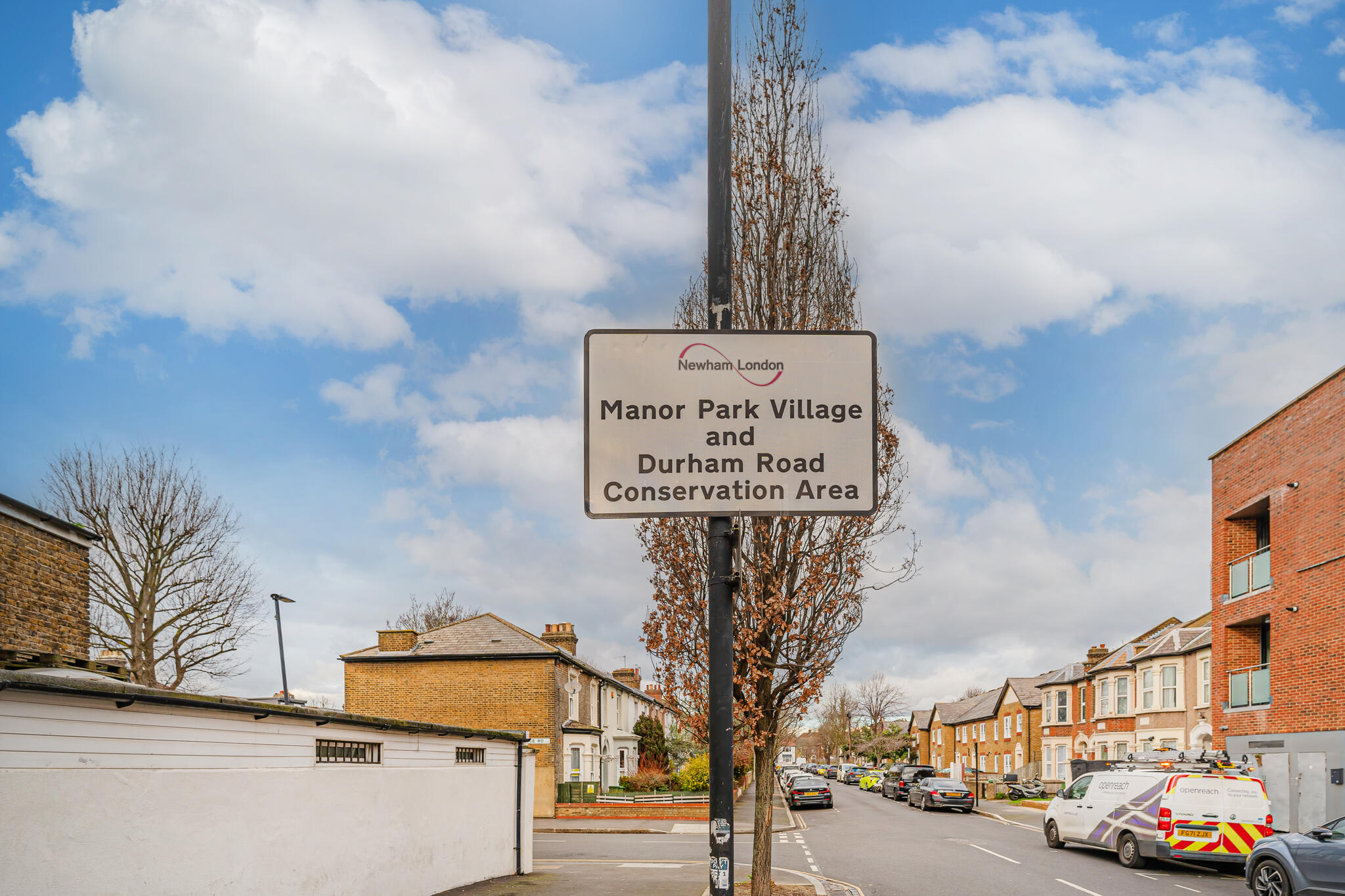
Manor Park is one of those parts of East London where identity is expressed less through architectural reinvention and more through continuity of community life. It is a residential area first, defined by long-standing patterns of settlement, local enterprise, and the steady rhythm of daily use. There is very little attempt here to present a curated version of itself. What you see is simply what it is.
The High Street carries much of that reality. It is busy in a functional sense rather than a performative one, shaped by independent grocers, long-established food shops, bakeries, pharmacies, and everyday services that reflect the needs of the people who live here. The cultural character of the area is immediately present in the language of shopfronts, the food on offer, and the density of small, family-run businesses. It feels locally anchored in a way that is consistent rather than transitional.
Food plays a central role in the texture of the area, not as destination dining but as everyday structure. Around the station, Perky Blenders provides a familiar point of reference within the wider East London coffee network, but much of Manor Park’s food culture sits outside that frame, expressed through independent cafés, bakeries, and takeaways that reflect the area’s established South Asian and wider diaspora communities. There is a strong sense of routine here, morning trade, school runs, evening footfall, all shaping the same stretches of street in predictable, lived-in cycles.
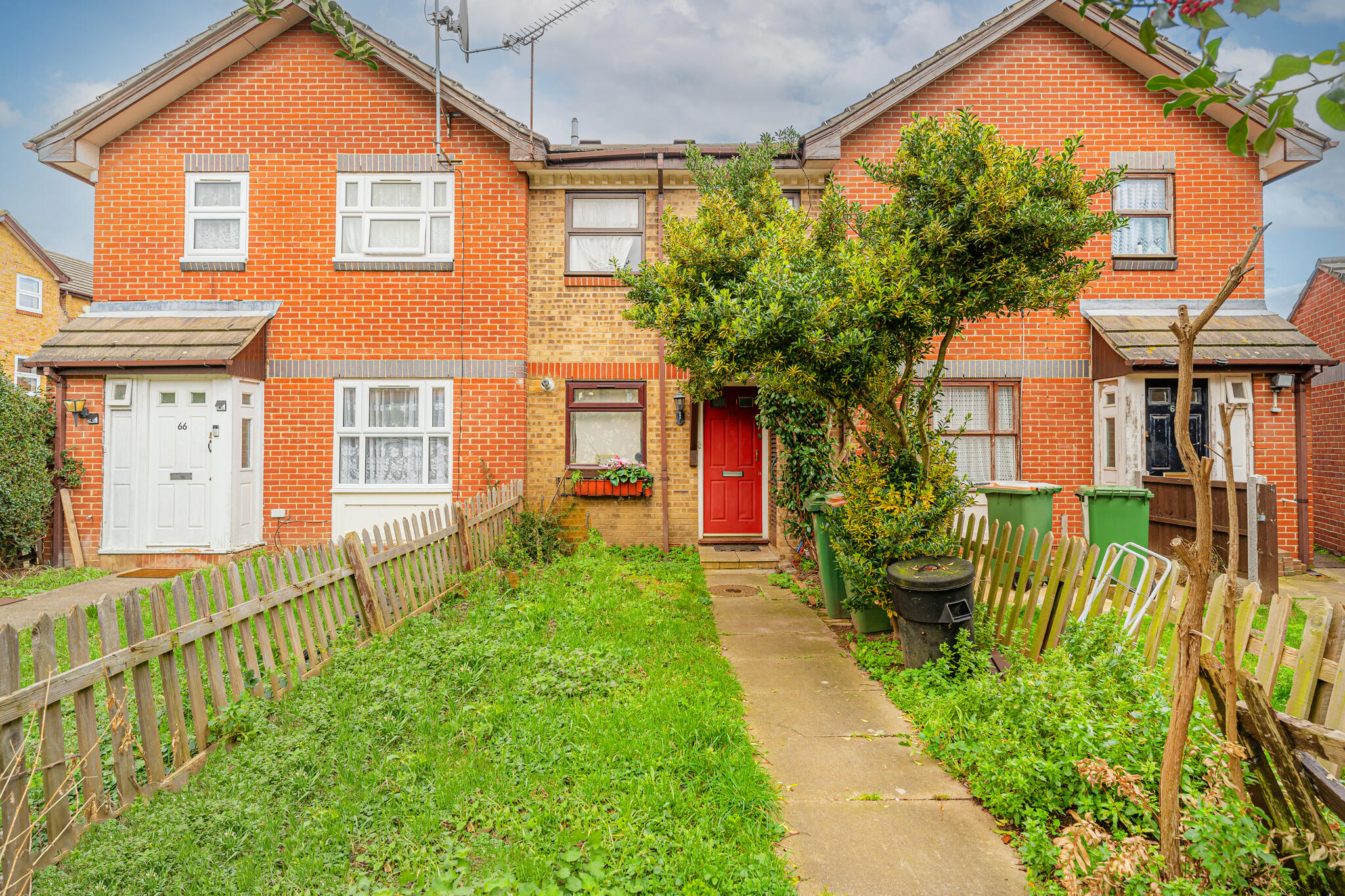
This is one of the defining characteristics of Manor Park. It is not an area built around reinvention or cultural repositioning. It is built around continuity. Generations of families, long-standing local businesses, and a stable residential base give it a depth that is less about change and more about persistence. The streets reflect that: terraced housing in steady repetition, modest infill development, and a sense of density that comes from occupation rather than architectural ambition.
There is a clear contrast between Manor Park and some of its neighbouring districts. Stratford and Forest Gate sit close enough to feel influential, but Manor Park remains more grounded in its residential identity, less shaped by large-scale redevelopment or cultural branding. It exists slightly outside of that narrative, closer to the everyday infrastructure of East London life.
Green space is nearby rather than embedded. Wanstead Flats acts as the main release point, a wide, open stretch that interrupts the density of surrounding streets. It provides a sense of scale and air that is otherwise absent locally, and it is used in a way that reflects the broader rhythm of the area, walking, running, passing through, rather than destination leisure.
Transport is one of Manor Park’s most defining structural elements. The Elizabeth line has integrated it more directly into the city’s wider movement, reducing journey times into central London and Canary Wharf significantly. Yet this increased connectivity has not fundamentally altered the tone of the area. Manor Park remains primarily residential, shaped more by return journeys than outward ones.
What stands out most clearly is the absence of rebranding. Manor Park has not been reframed in the way many parts of East London have over the last decade. It has evolved gradually, through infrastructure, housing pressure, and generational continuity, rather than through cultural repositioning or lifestyle transformation.
It is this steadiness that defines it. A place structured around daily life rather than external perception. Streets that are used, not styled. Businesses that exist to serve, not to signal. Movement that is constant but unremarkable in its rhythm.
Manor Park does not present itself as a narrative. It functions as part of the wider fabric of East London, quietly consistent, densely lived, and shaped more by the people who move through it every day than by any attempt to define what it is supposed to be.