About us
Our commmunity
Leytonstone sits at that precise point where London begins to loosen its collar. It does not announce itself, it does not need to. The Central line delivers you into it with little ceremony, and almost immediately the pace shifts, High Road stretches out in long familiar rhythms, side streets soften into Victorian terraces, and the city’s sharper edges feel a little further away than the map suggests.
This is East London with a sense of continuity. Not polished into reinvention, but gently accumulated over time, cafés layered into old shopfronts, pubs carrying decades of conversation, bakeries opening into streets that still feel residential in the truest sense. There is a groundedness here that resists performance.
Start, as many do, with coffee.
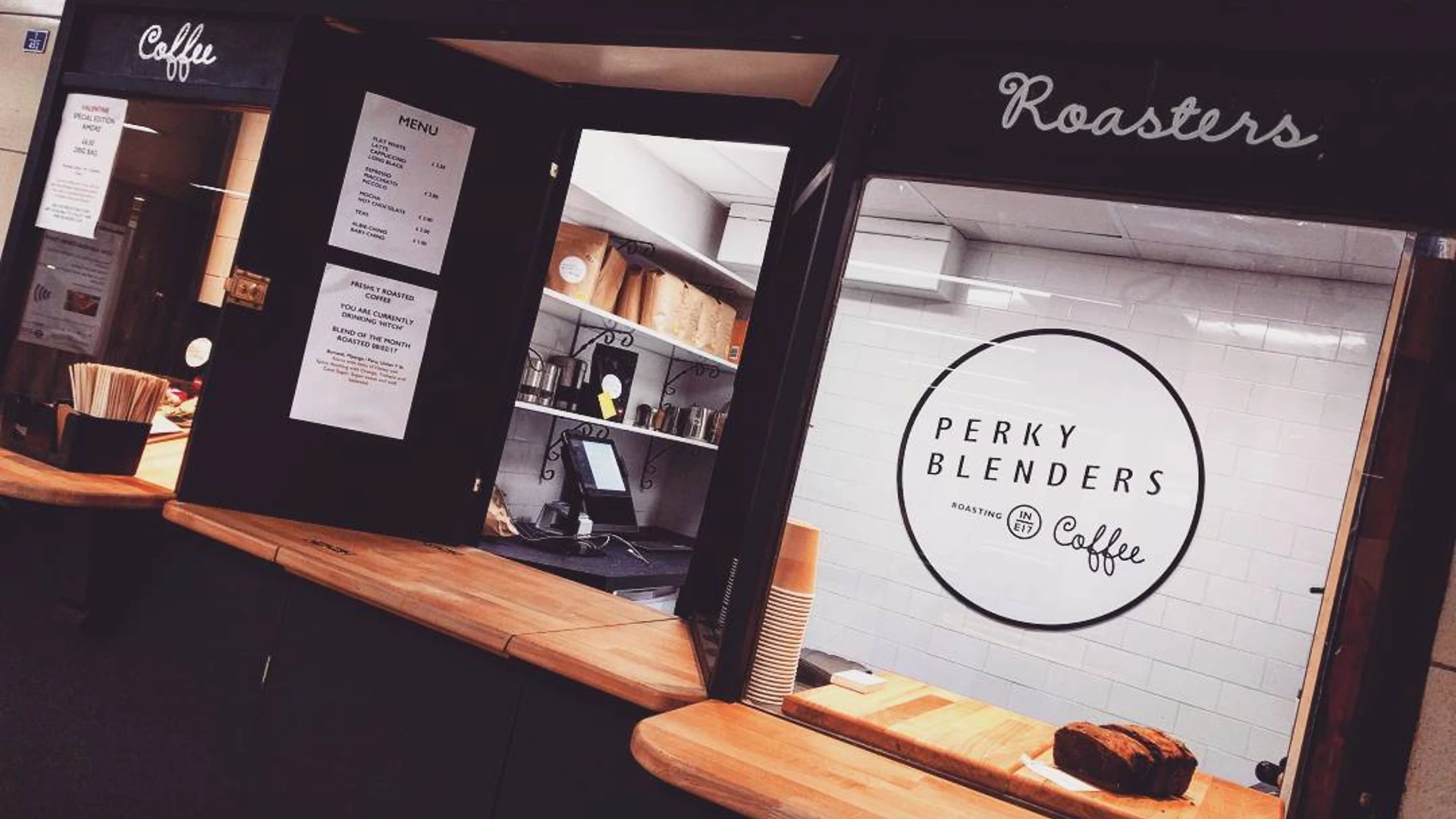
Perky Blenders, tucked just by the station, has become something of a local constant, the kind of place that absorbs the morning rush without ever feeling rushed itself. Flat whites are poured with quiet precision, oat milk is practically the default language, and there is a steady hum of commuters, freelancers, and parents negotiating school runs. It is functional, but not without charm, a threshold between home and the day ahead.
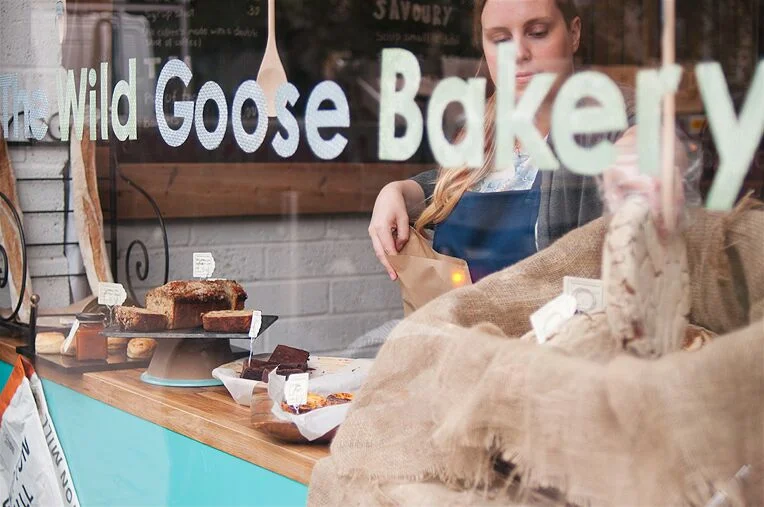
A short walk away, Wild Goose Bakery shifts the tone entirely. This is where Leytonstone reveals its softer, more indulgent side. Sourdough loaves are stacked like sculpture, pastries arrive warm from the oven, and the café tables feel like they belong to long unhurried weekends rather than quick weekday stops. There is a sincerity to it, the sense that everything has been made with intention rather than scale. It is not uncommon for people to come in just for bread and leave having slowed down for an hour.
Further along High Road, Bocca Bocca brings a different kind of energy, Italian, social, slightly more elevated in mood. The lighting is low, the interiors warm, and the pizzas arrive with a confidence that suggests repetition done well rather than reinvention for its own sake. It is the sort of place that works equally for a midweek dinner or a slow weekend meal that drifts into something longer than planned.
Then there is Papi’s Munchies, a quieter cult favourite tucked away off the main flow. It is the kind of place you hear about before you see it, a neighbourhood secret that still feels unbothered by its own reputation. Pizza here is expressive rather than restrained, truffle notes, bold edges, combinations that feel designed for sharing but rarely are.
Leytonstone’s food culture, taken as a whole, is less about destination dining and more about embedded rhythm. It is easy to eat well here without making a decision feel like an event. That ease is part of its appeal.
Beyond food and coffee, the High Road itself tells a longer story. Independent grocers sit alongside Turkish bakeries, old school barbers, and small shops that have resisted the cycle of reinvention that has reshaped other parts of London. There is a continuity to the street life, not curated, but sustained.
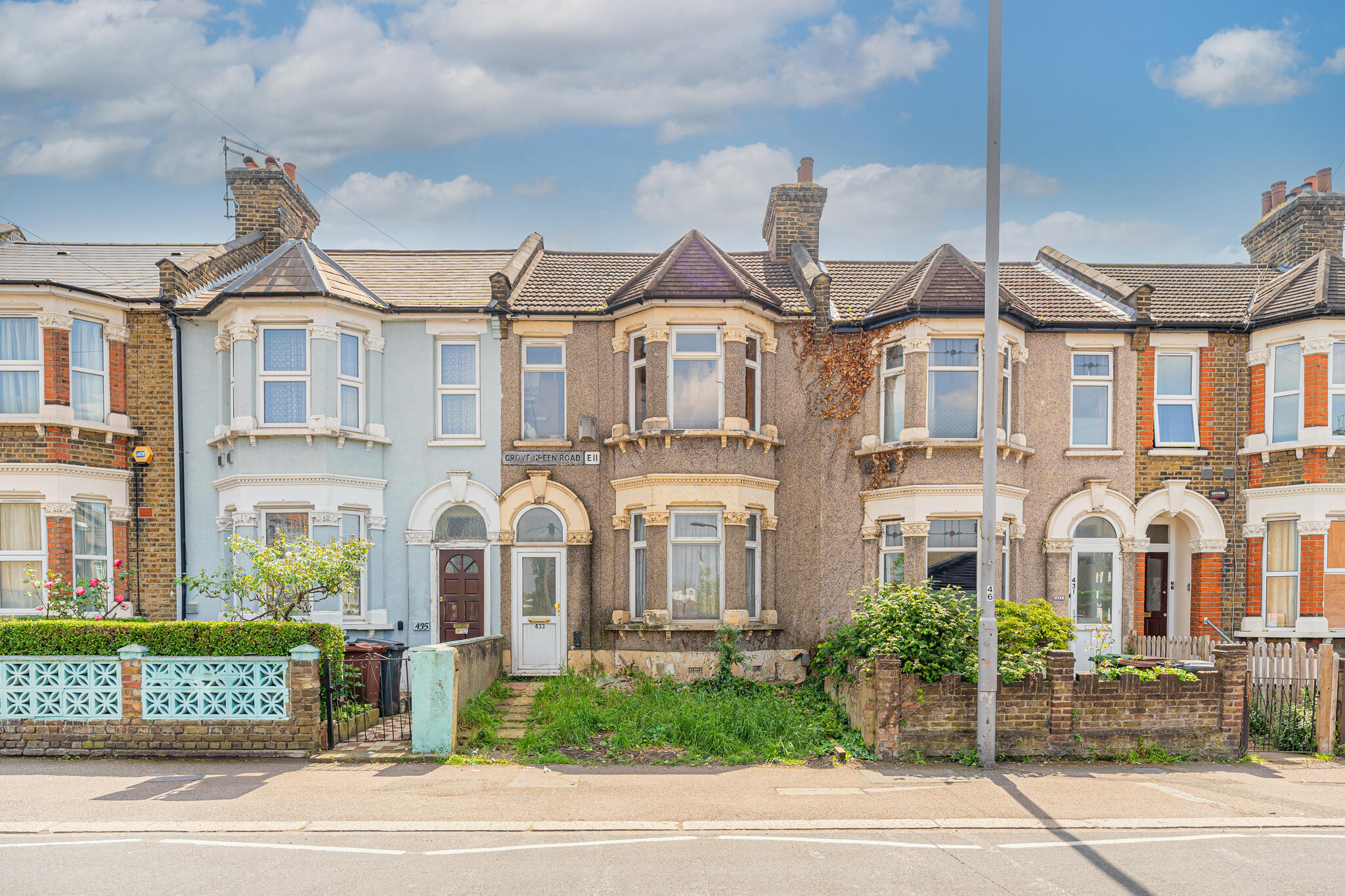
Turn off the main road and the architecture begins to speak more clearly. Bushwood in particular carries a different register entirely, tree lined streets, generous Victorian and Edwardian houses, and a sense of residential calm that feels slightly insulated from the energy of the High Road below. It is the sort of pocket where people stay longer than intended, where homes feel lived in rather than performed.
What makes Leytonstone compelling is not a single headline feature, but the accumulation of small, reliable ones. The Leytonstone Tavern is one of those anchors, a pub that feels genuinely local in a way that cannot easily be replicated. Sundays are for roasts, weeknights for catch ups that stretch further than expected. There is no attempt to over design the experience, it simply exists in its own steady cadence.
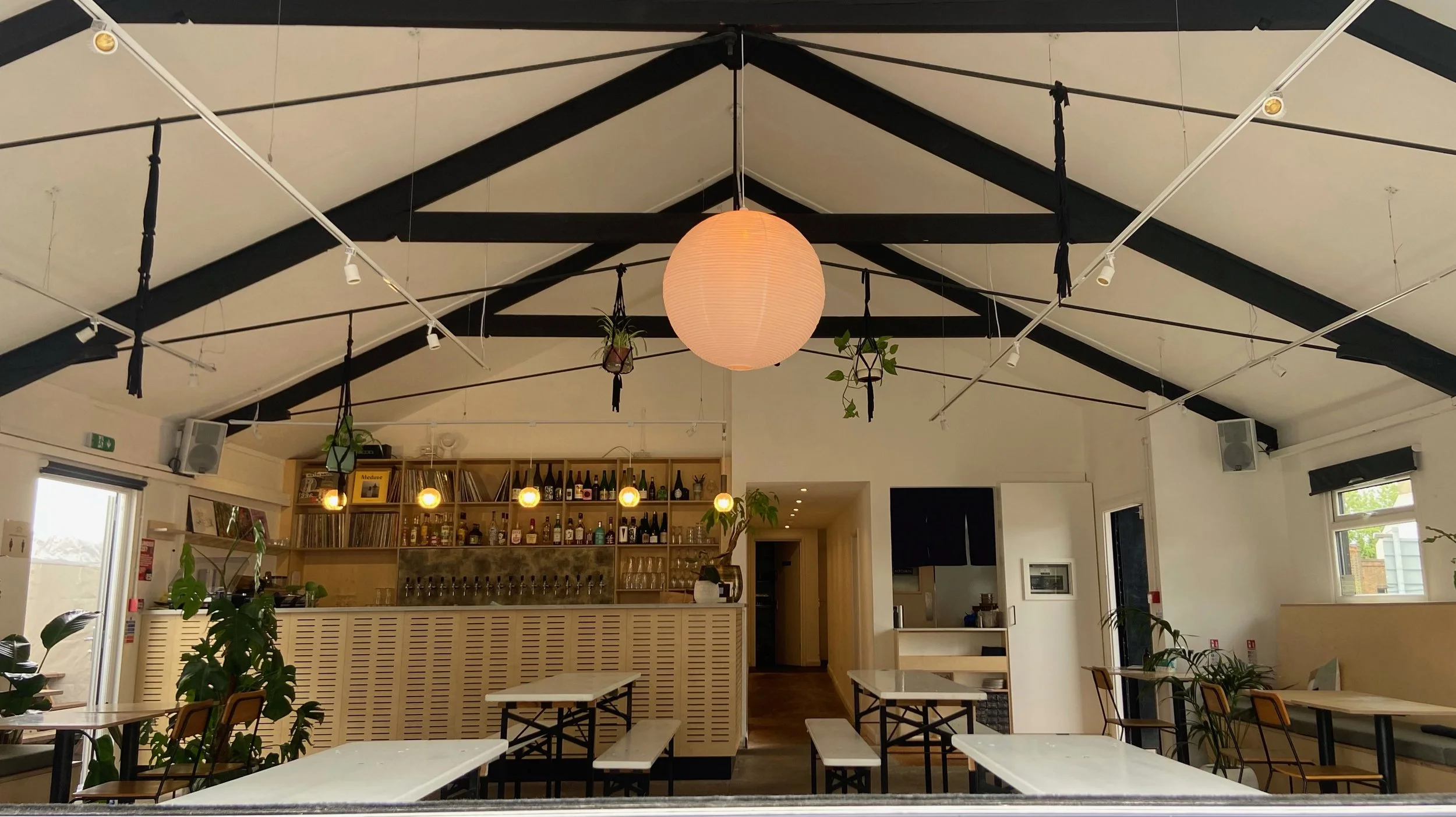
Nearby, Filly Brook adds a more contemporary layer, part restaurant, part music space, part evening venue. It reflects the subtle evolution of the area, not displacement, but addition, newer arrivals sitting alongside longstanding institutions, neither erasing the other.
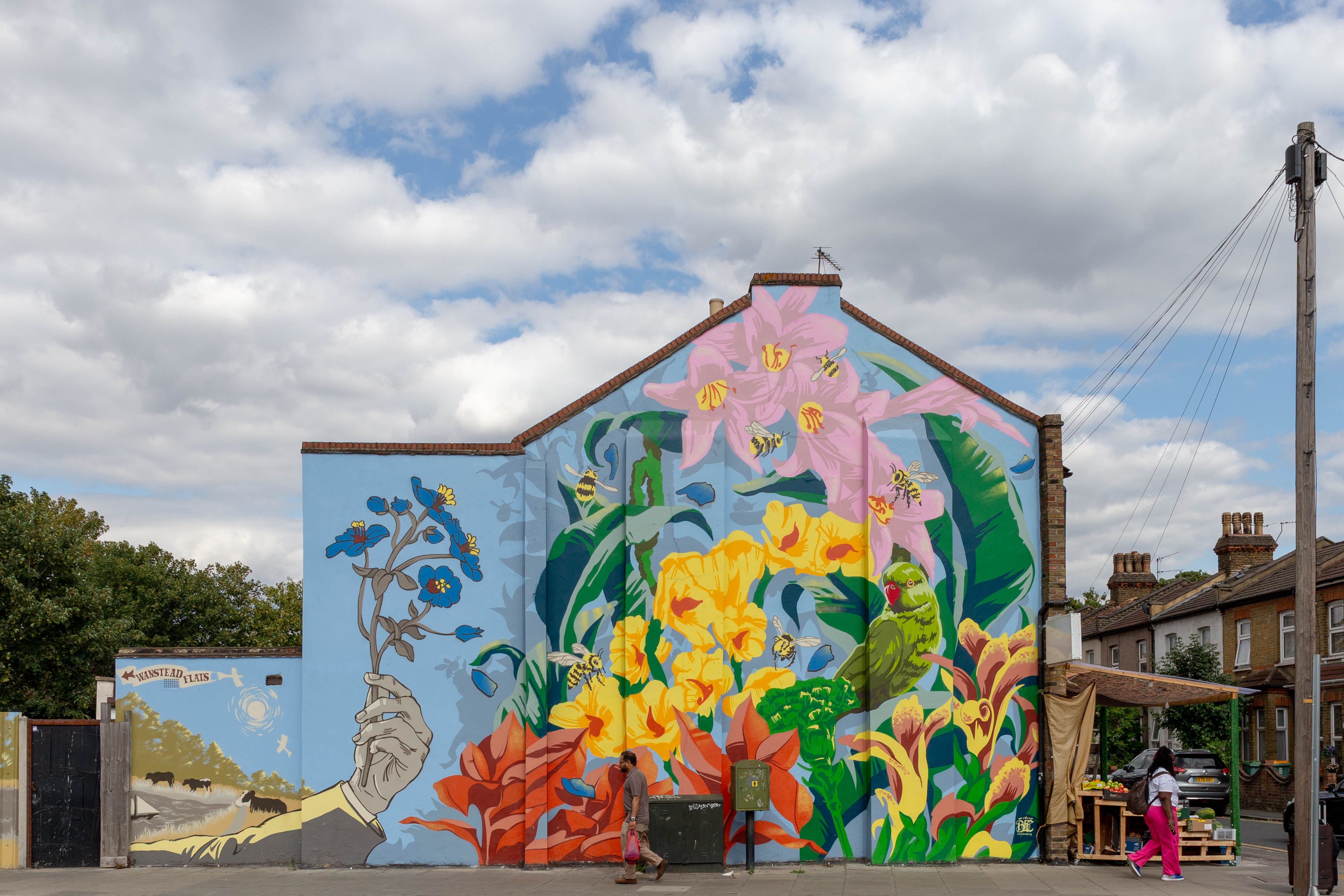
Green space is never far. Wanstead Flats opens out to the north east, a wide almost elemental expanse that changes character with the seasons. On early mornings it feels almost rural. In the evenings it becomes a place of movement, runners, walkers, dog owners tracing familiar loops. It acts as a counterweight to the density of the city, a reminder that East London still holds space for air.
There is also a cultural undercurrent here that runs quietly beneath the surface. Leytonstone’s connection to Alfred Hitchcock is marked subtly through mosaics and murals rather than spectacle. It is a neighbourhood comfortable with its references, not defined by them.
What emerges, ultimately, is a place that feels lived in rather than curated. Leytonstone does not rely on reinvention or branding exercises. Its appeal is slower, more accumulative, found in the consistency of its cafés, the familiarity of its pubs, the way streets hold their character even as London shifts around them.
For those who know it well, it is precisely this steadiness that becomes the attraction. For those arriving for the first time, it is often the absence of noise that stands out most.
Leytonstone is not trying to impress. It is simply continuing.
.jpg)